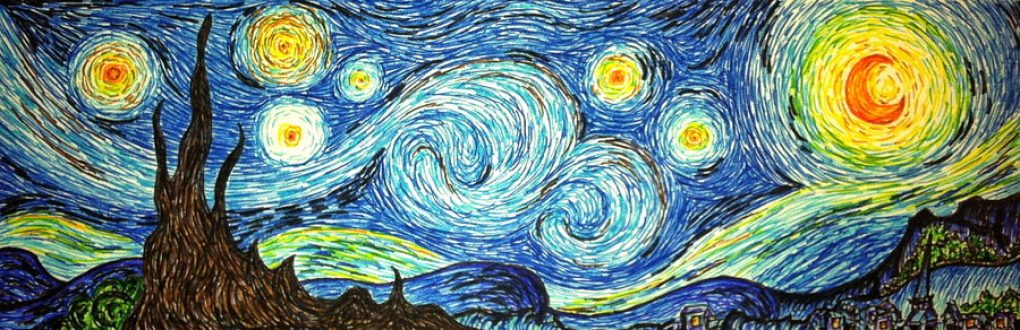
I grew up inside religion, believing I would live well if I stayed close enough to God and His people. I tried for a long time. I struggled quietly, but in high school, belief loosened its grip on me.
When I see my childhood friends now and people from my past, from church, I feel sadness. Not because their lives are good. I’m not envious at all, and I’m glad that their lives unfolded gently, like they were met by the world instead of having to wrestle it. But I’m sad because I never really got to know them, and they never got the chance to know me. It feels like we passed each other behind glass, close enough to recognize, too far to touch.
What hurts is the sense that I was never understood back then, not truly. But I was an observer, trying to solve them like a puzzle.
And now that time has moved on, that door is sealed not by conflict but by silence. There is no moment left where I could finally explain myself or ask more questions.
Back then my Sunday school teacher often said, “God chose us; it’s not us who decides.” So this choice was not based on human merit. And every time, there’s always this sting inside my chest saying, “Then I’m not the chosen one. I must not be one of the chosen ones.”
For a child, “God chose us” doesn’t land as abstract theology. It lands as a verdict. Belonging might look easy for others, but painful for me, so my mind completes the sentence on its own: “Then I wasn’t chosen.” Not because I reasoned it out, but because my body kept score.
Well, I reasoned a lot of things, even as a kid. You can say that I’m a deep thinker, but I still think that conclusion also came from confusion plus rejection. I was the child who asked too many questions. My siblings lived in the same house, heard the same prayers, but they seemed to rest where I kept searching. Something in me noticed gaps before I had words for them.
If grace is unconditional, why do I feel so outside? The only answer a young heart can assemble is self-erasure: there must be something wrong with me. That sting wasn’t exactly disbelief, but the moment I internalized exile.
One quality about me, if you can call it a quality, or maybe rather my toxic trait, is that when love felt conditional, I tried to understand instead of simply feeling hurt. Confusion and rejection made me think.
And that thinking “saved me”. It also made me lonely. I was not the chosen one. I was different in a place that only knew how to love sameness.
I’m no longer religious, and that loneliness is sharper than before. Faith once promised a place to return to, a life where belonging waited if I tried hard enough, but I didn’t get it.
I think I have tried hard enough, but it’s always been like a sense that there is a room where warmth happens naturally, and I was never given or trusted with the key.
Now I know that even if I went back to church, even if I said the right words, I would never find that life. The wound isn’t even about God anymore. It’s about having been told, implicitly, that love selects, and selection skipped me.
And not because it’s false, but because it was never mine.
I felt it, I carried it, and I survived it.
I was not chosen.
 CELESTIAL DUST