I have been thinking about writing again more frequently and perhaps sharing more of what I think and have learnt with the world. So here I am, again, posting my unfiltered thoughts. I’m actually a bit scared of exposing my real blog on my website, but I thought one day when I die, and if my digital footprints remain, I just want to be known as I am, a little selfish proof that I once lived. And after all, I won’t care about my image when I die.
The way I’m doing this is by generating a random word every time I’m in the mood to write, and this time it’s “start“, a perfectly matching theme.
My Initial Blunder
A ‘start’, according to the normal definition, is the point in time or space at which something has its origin; the beginning.
The first thing that came into my mind is that a start is the first action or journey into becoming, a process to come into being, and that I kind of like a start. (I have ADHD, if that’s relevant.)
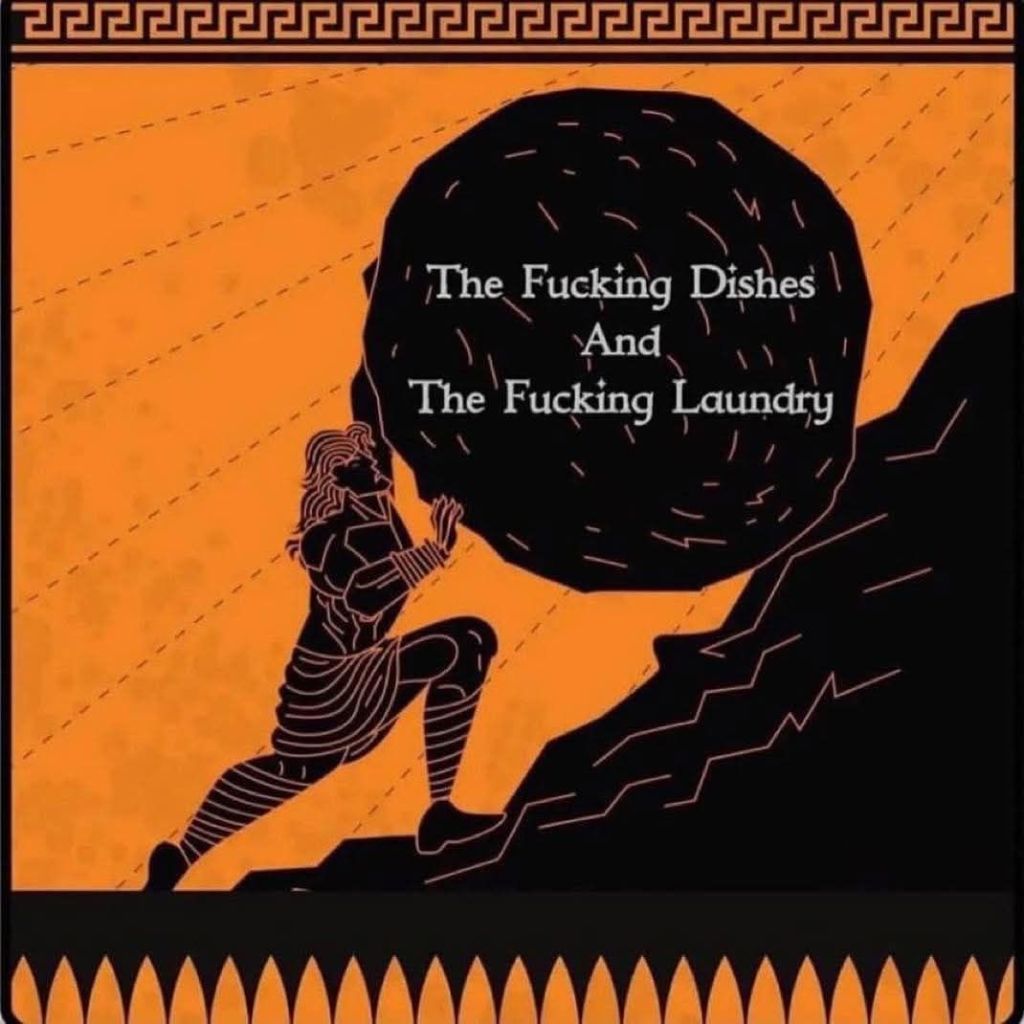
I like “start” because it is novel. It gives hope. So many possibilities. It’s the only time when the future is perfect. It is the moment when the boulder is still at the bottom of the hill and its weight isn’t crushing Sisyphus’ spine yet. You get a few seconds of standing at the base, looking up, and thinking, “Yes, today I shall be the one to defeat gravity.”
I do sometimes wonder though, whether my addiction to starting something is an attempt to create more noises because I am terrified of the silence that follows completion. And I am wondering if others like to start because it is the only time we can pretend we are not finite.
But… I am a divine comedy of procrastination.
I realised that I am also terrified of start.
For many years, I was “about to start” coding. In 2012 I purchased a book about C++. In my defense, I wasn’t lazy. I was just a romantic. I was in love with the idea of being a programmer, and reality is the death of romance. To actually open a terminal was to admit that I was just a human with a flickering lamp and a limited brain. Only by the end of 2018 when I was at the lowest point of my life did I revisit that idea and really learn to program. I started scared and sad, but I had no other choice, and somehow that made me brave.
Then, after more than 5 years in the industry, burnouts hit me. That’s when I really applied for master’s studies and got accepted. I actually had been eyeing this specific programme at Leiden University and attended the master’s “open day” during COVID (so around 2021). Imagine procrastinating this hard and choosing to start only at the end of the world.
I had spent years worrying about “who I would become”, only to realise that the “new me” is just the “old me” with a slightly more expensive laptop and a very specific, academic way of saying “I (still) have no idea what’s going on.”
A Reluctant Surrender
What if the real reason I don’t start is because I suspect I won’t like who I become? That I have to endure the indignity of being perceived as a new, potentially less interesting, or, God forbid, a happier person?
The scary part is becoming someone unfamiliar to the people who knew your old sadness, unrecognised by the person who loved your wreckage, because the one who understood the exact frequency of your sadness is comfort.
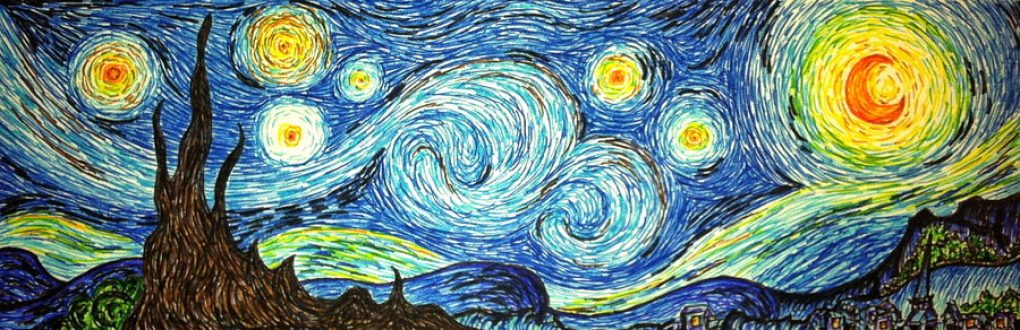
I’ve spent years as a brown dwarf, a failed star circling the drain of my own melancholy. I’m always too cold to ignite, and getting off the orbit is terrifying. What if I just drift in the blackness between two points and end up belonging to neither? If I never ignite, I can never burn out.
However, a star that refuses to fuse its atoms stays a cold, dark lump of gas forever. It’s safer, yes, but it’s not really a star. It’s just debris. And the universe is very, very good at ignoring debris.
I ask myself, do I just want to be debris? There’s relief in that for sure, but I realised that I want to be a star. Even a tiny one.
I do not need to be a supernova that blinds the world; I am content to be a faint, silver flicker of light that catches your eye for a single, breathless second on a random Tuesday night and makes you wonder if you imagined it. Even if I am a small star, a dying star, or a star that only burns for a moment, I will finally be part of the architecture of the sky.
Now, of course, I have a couple of things I am terrified to start. When I’m terrified, I need to be reminded that in many years in the future, everyone will forget every embarrassing thing and failure I have done. And even further in the future of that future, the heat death of the universe will erase everything, including every mediocre creation I have done in my lifetime. So who cares, right?! I can always afford to be a beginner, because on a galactic scale, everyone is a beginner. and on the grand scheme of things it doesn’t matter, my embarassment is statistically insignificant.
I haven’t finished gathering courage, and I hope it’s not too late. But I’ve learned one thing for sure: a “start” doesn’t actually kill my old self; it just gives my old sadness something productive to do on the weekends.
I want to crush my own doubts until they have no choice but to emit light.

